
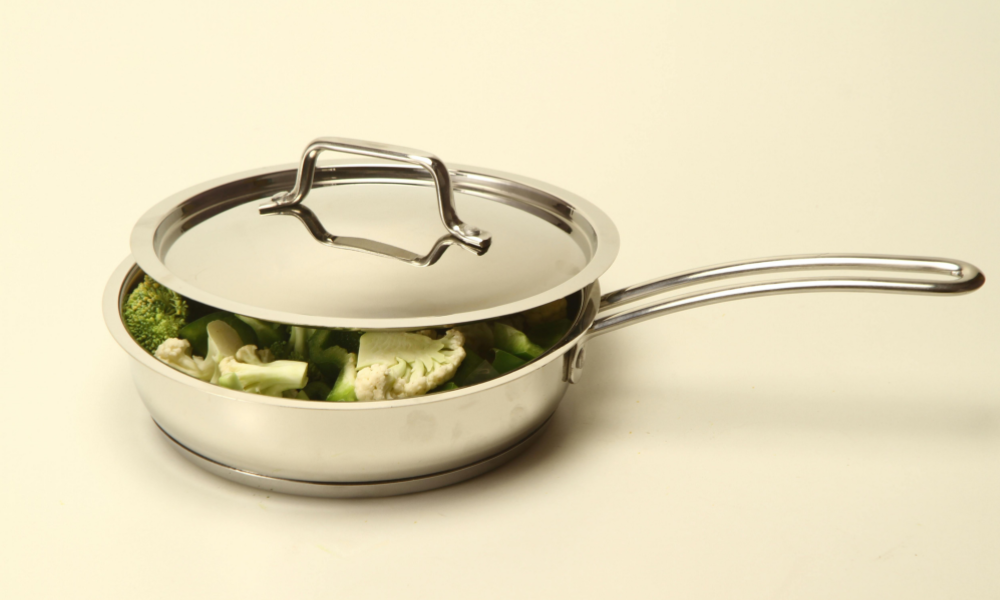
Stainless steel cookware is a favorite among professional chefs because of its durability, versatility, and ability to create exceptional browning. However, many home cooks struggle with food sticking or uneven cooking. Learning the proper techniques can help you get the best performance from your stainless steel pots and pans while improving flavor and making cleanup easier.
Mastering the Preheat: The Water Droplet Test
Proper preheating is the foundation of successful stainless steel cooking. When the pan is cold, tiny microscopic pores on the metal surface remain open, increasing the likelihood of food sticking. As the cookware heats, the metal expands and these surface imperfections become less pronounced. To check whether the pan has reached the ideal temperature, perform the water droplet test. Add a few drops of water to the cooking surface. If the water instantly evaporates, the pan needs more time. When the droplets form small beads that glide across the surface like mercury, the pan is ready for cooking. This simple technique helps create a smoother cooking environment and reduces sticking.
Temperature Management and Heat Control
One of the most common mistakes when using stainless steel cookware is cooking over excessive heat. High-quality stainless steel retains heat efficiently, meaning medium or medium-low heat is often all that is needed. Cooking at moderate temperatures helps prevent burnt oil, hot spots, and unevenly cooked food. It also gives you greater control over browning and flavor development. Gradual heating allows the cookware to distribute heat evenly across the surface, producing more consistent results.
Oil Timing: The “Hot Pan, Cold Oil” Principle
Once the pan has been properly preheated, add your cooking oil. This method, often called “hot pan, cold oil,” creates a temporary barrier between the food and the metal surface. Choose oils with higher smoke points, such as avocado oil, grapeseed oil, or canola oil. These oils remain stable at cooking temperatures and help reduce residue buildup. Allow the oil to heat briefly before adding ingredients for the best non-stick performance.
Protein Searing and Natural Food Release
When cooking proteins such as steak, chicken, or fish, it is normal for food to stick temporarily. This occurs during the early stages of the Maillard reaction, which creates flavorful browning and a rich crust. Avoid moving the food too soon. As the exterior develops color and texture, it will naturally release from the pan. If resistance is felt, allow additional cooking time. Waiting for this natural release helps preserve texture and improves presentation.
Deglazing Pan Fond for Maximum Flavor
After searing, you may notice brown bits attached to the bottom of the pan. These caramelized pieces, known as fond, contain concentrated flavor. Deglazing transforms this residue into delicious sauces. Add a small amount of broth, wine, citrus juice, or water to the hot pan and gently scrape the surface with a wooden spoon. The liquid lifts the fond and incorporates it into the sauce while also making cleanup easier.
Thermal Shock Prevention and Pan Safety
Stainless steel cookware is durable, but sudden temperature changes can still cause damage. Never place a scorching hot pan directly under cold water. Rapid cooling can lead to warping and may affect heat distribution over time. Instead, allow cookware to cool gradually before washing or adding cooler liquids. This simple habit helps preserve the structure and longevity of the pan.
Essential Utensil Selection and Handling Techniques
You can naturally add the internal link like this:
Essential Utensil Selection and Handling Techniques
Choosing the right utensils helps protect your cookware and maintain its appearance. Silicone and wooden utensils are excellent options for everyday cooking because they minimize surface wear. Smooth stainless steel utensils can also be used carefully without damaging the pan. Avoid aggressive scraping or sharp tools that may leave unnecessary scratches. Similar care principles apply to ceramic-coated cookware, where selecting gentle utensils helps preserve the cooking surface. For more guidance, see Clean Ceramic Cookware. Proper utensil habits help preserve the finish and ensure reliable cooking performance for years. Using stainless steel cookware successfully comes down to mastering heat control, proper preheating, and cooking patience. By following techniques such as the water droplet test, the hot pan–cold oil method, and natural food release during searing, you can reduce sticking and achieve professional-quality results. Combined with safe cleaning and handling practices, these habits help stainless steel cookware deliver exceptional performance and long-lasting durability in any kitchen.
Why does food stick to stainless steel cookware even when I use oil?
Food often sticks because the cookware has not reached the proper cooking temperature before oil and ingredients are added. A well-preheated pan creates a better cooking surface and helps reduce sticking. For best results, heat the pan first, perform the water droplet test, then add oil and allow it to warm before placing food in the pan.
Conclusion
Stainless steel cookware delivers excellent cooking performance when used correctly. Proper preheating, controlled heat, and allowing food to release naturally can help prevent sticking and improve browning. By following these simple techniques, you can enjoy better flavor, easier cleanup, and long-lasting results from your stainless steel cookware.