
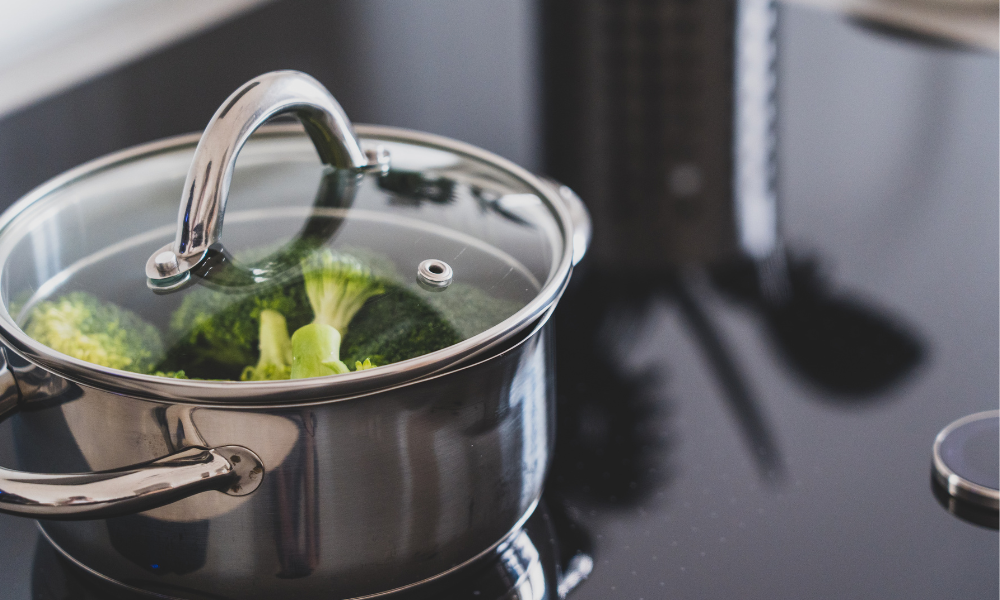
How to Cook with Stainless Steel Cookware is a common question for both beginner and experienced home cooks. Stainless steel cookware is one of the most trusted tools in professional and home kitchens because it offers excellent durability, even heating, and the ability to create rich flavors through proper browning. However, many people find stainless steel intimidating because food can stick if it is not used correctly. The secret is understanding how heat, oil, and timing work together. Once you master a few basic techniques, stainless steel cookware can deliver exceptional cooking results for years.
Temperature Precision: Mastering the Water Drop Test
When you cook with stainless steel cookware, understanding temperature control is essential for preventing food from sticking. The water drop test is a simple way to determine whether the pan has reached the proper cooking temperature. After heating the empty pan over medium heat, sprinkle a few drops of water onto the surface. If the droplets evaporate instantly, continue heating. When the water forms small beads that glide smoothly across the pan, it signals that the cookware is ready for oil and ingredients.
The “Hot Pan, Cold Oil” Rule for Non-Stick Cooking
After the pan has been properly heated, add your cooking oil. This method is commonly known as the “hot pan, cold oil” technique. Adding oil to a hot pan creates a thin barrier between the food and the metal surface. This helps reduce sticking and encourages even browning. Allow the oil to spread across the pan and heat for a few seconds before introducing ingredients.
For best results, choose oils with higher smoke points, including:
- Avocado oil
- Grapeseed oil
- Canola oil
- Peanut oil
These oils tolerate cooking temperatures well and help prevent burnt residue from forming on the cookware surface.
Searing Proteins and Waiting for the Self-Release Signal
Many cooks make the mistake of trying to move meat too early. When proteins such as chicken, steak, fish, or pork first touch a hot stainless steel pan, they naturally adhere to the surface. This is a normal part of the cooking process. As the food cooks, the Maillard reaction begins to develop a flavorful golden-brown crust. During this stage, moisture evaporates and the surface texture changes. Once the crust has formed properly, the food will naturally release from the pan with minimal effort. If the meat resists when you attempt to flip it, it usually needs more cooking time. Patience is essential when cooking with stainless steel. Waiting for the natural release signal often results in better browning, improved texture, and easier flipping.
Heat Management to Prevent Scorched Food and Spots
One common misconception is that stainless steel cookware requires high heat for effective cooking. In reality, quality stainless steel retains heat extremely well, especially cookware with multi-layer construction. Most cooking tasks can be completed successfully using medium or medium-low heat settings. Excessive heat can cause oil to smoke, create stubborn stains, and burn food before the interior cooks properly. Moderate temperatures allow for greater control and more consistent results. They also help preserve the appearance of the cookware by reducing discoloration and burnt-on residue. Learning to manage heat effectively is one of the keys to successful stainless steel cooking.
Deglazing Pan Fond to Build Instant Sauces
One of the greatest advantages of stainless steel cookware is its ability to create fond—the flavorful browned bits left behind after searing food. When you use stainless steel cookware properly, these caramelized bits can become the foundation of rich sauces and gravies rather than being left behind in the pan. Deglazing is the process of adding liquid to the hot pan after cooking. Suitable liquids include:
- Chicken or vegetable broth
- Wine
- Lemon juice
- Water
As the liquid heats, it loosens the fond from the bottom of the pan. The dissolved flavors create a rich and delicious sauce that complements the meal. Deglazing not only improves flavor but also makes the pan easier to clean by lifting stuck-on food particles from the cooking surface.
Why does meat stick to my stainless steel pan as soon as I place it in the pan?
This is a normal part of the cooking process. Proteins naturally attach to the metal surface during the initial stages of searing. As the meat develops a browned crust, it gradually releases from the pan on its own. Attempting to flip it too early often causes tearing and sticking. Allowing the crust to form completely helps ensure clean release and better flavor development.
Conclusion
Learning how to cook with stainless steel cookware is primarily about understanding temperature control and timing. Proper preheating, following the hot pan–cold oil method, and allowing proteins to release naturally can dramatically improve cooking results. Combined with moderate heat and simple techniques like deglazing, stainless steel cookware becomes an incredibly versatile tool for everyday meals. With practice and patience, you can enjoy excellent browning, rich flavors, and professional-quality cooking performance every time.