
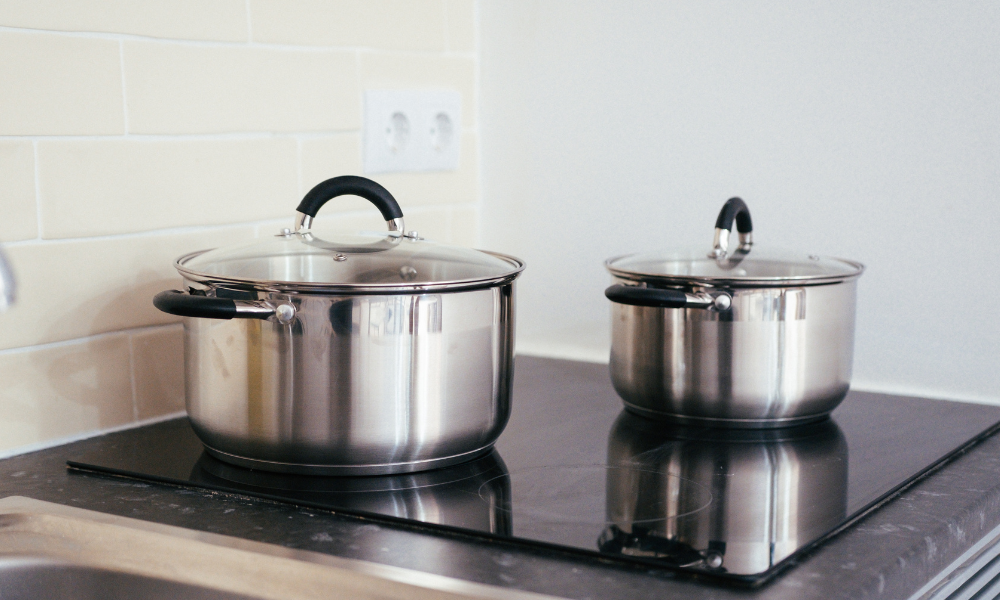
How to Use Stainless Steel Cookware Properly is a common question for cooks who want better results in the kitchen. Stainless steel cookware is a favorite among professional chefs and home cooks because of its durability, versatility, and excellent cooking performance. However, many people find it challenging to use at first, often dealing with food sticking, uneven browning, or difficult cleanup. Learning the proper techniques can transform your cooking experience and help you get the most from your stainless steel pots and pans. By understanding how to use stainless steel cookware properly, you can reduce sticking, improve browning, and enjoy more consistent cooking results.
Mastering the Preheat: The Mercury Ball Water Test
One of the most important skills when using stainless steel cookware is proper preheating. Food often sticks because it is placed into a cold pan before the cooking surface has reached the correct temperature. At a microscopic level, stainless steel contains tiny pores that expand and contract with heat. When food is added to a cold surface, proteins can settle into these imperfections and cling to the metal. To avoid this problem, preheat the pan over medium heat for a few minutes. Once heated, perform the water droplet test. Sprinkle a few drops of water onto the surface. If the droplets instantly evaporate, the pan is still too cool. When the water forms small beads that glide smoothly around the pan like liquid mercury, the cooking surface has reached the ideal temperature. This simple test helps create a cooking environment where food is less likely to stick and more likely to cook evenly.
Temperature Control: Managing Heat Distribution
Many cooks assume stainless steel requires high heat to perform well, but that is rarely necessary. Quality stainless steel cookware, especially multi-ply models with aluminum or copper cores, retains heat extremely efficiently. Once preheated, medium or even medium-low heat is often sufficient for most cooking tasks. Excessively high temperatures can scorch oil, burn food, and create stubborn residue that is difficult to remove. Maintaining controlled heat also reduces the likelihood of developing hot spots that cause uneven cooking. Gradual heating allows the cookware to distribute energy more evenly across the cooking surface, improving consistency and helping ingredients cook at the same rate. Understanding how stainless steel retains heat can make cooking more predictable and enjoyable.
Oil Timing and Fat Selection for Non-Stick Performance
A common rule among professional cooks is “hot pan, cold oil.” This technique improves food release and helps prevent sticking. After confirming that the pan is properly preheated, add your cooking oil. Allow the oil to spread across the surface and warm for a few seconds before adding ingredients. The oil acts as a barrier between the food and the metal, reducing direct contact and promoting smoother cooking. Choosing the right fat is equally important. Oils with high smoke points are ideal for stainless steel cookware because they remain stable under cooking temperatures. Good options include:
- Avocado oil
- Canola oil
- Grapeseed oil
- Peanut oil
- Sunflower oil
Low-smoke-point fats may burn quickly and leave behind sticky carbonized residue that affects both cooking performance and cleanup.
Searing, Browning, and the Natural Food Release Signal
One of the greatest strengths of stainless steel cookware is its ability to create beautiful browning and flavorful crusts. When proteins such as meat, poultry, or fish first contact the pan, they naturally adhere to the surface. This often causes inexperienced cooks to believe the food is sticking permanently. In reality, this stage is part of the Maillard reaction, a chemical process responsible for developing rich flavors and appealing golden-brown color. As cooking progresses, the protein structure changes and the food begins to release naturally from the pan. Attempting to move it too soon often tears the surface and leaves residue behind. Patience is essential. When the browning process is complete, the food will lift away easily with minimal resistance. Allowing this natural release to occur improves both texture and presentation.
Deglazing: Turning Pan Fond into Flavorful Sauces
After searing meat or vegetables, you may notice browned bits attached to the bottom of the pan. These caramelized fragments, known as fond, contain concentrated flavor. Rather than scrubbing them away, use them to create sauces and enhance dishes.
Deglazing is the process of adding liquid to the hot pan after cooking. Common options include:
- Stock or broth
- Wine
- Lemon juice
- Vinegar-based liquids
- Water
As the liquid heats, it loosens the fond from the surface and incorporates those flavorful compounds into the sauce. Deglazing not only enhances taste but also simplifies cleaning by lifting food residue from the cookware.
Thermal Shock Rules and Temperature Transitioning
Although stainless steel cookware is highly durable, it can still be damaged by sudden temperature changes. One of the most common mistakes is placing a hot pan directly under cold running water. This rapid temperature shift causes the metal to contract quickly, increasing the risk of warping. In multi-ply cookware, repeated thermal shock can also stress the bonded layers over time. To prevent damage, allow the cookware to cool gradually after cooking. Once it has reached a safer temperature, warm water can be used for cleaning or soaking. Taking a few extra minutes before washing helps preserve the cookware’s structure and cooking performance.
Essential Utensil Selection and Handling Habits
The utensils you use can influence the appearance and longevity of stainless steel cookware. Wooden and silicone utensils are popular choices because they are gentle on the surface and help maintain the cookware’s polished finish. Soft nylon tools are also suitable for most cooking applications. Stainless steel utensils can be used safely because stainless steel cookware is extremely durable. However, aggressive scraping or striking the pan repeatedly may leave cosmetic scratches over time. Avoid sharp tools designed for cutting directly inside cookware. Proper utensil selection helps maintain the pan’s appearance while supporting long-term performance.
Why does food stick to stainless steel cookware even when I use oil?
Food sticking is usually caused by incorrect pan temperature rather than insufficient oil. When ingredients are added before the pan is properly heated, they are more likely to cling to the cooking surface. For the best results, preheat the pan first, perform the water droplet test, then add oil and allow it to heat briefly before cooking.
Conclusion
Learning how to use stainless steel cookware properly can dramatically improve your cooking results. Proper preheating, controlled heat management, strategic oil application, and patience during searing all contribute to a better cooking experience. By mastering techniques such as the mercury ball water test, deglazing, and safe temperature transitions, you can reduce sticking, enhance flavor development, and extend the life of your cookware. With consistent practice, stainless steel cookware becomes one of the most reliable and versatile tools in any kitchen, delivering excellent results for everything from delicate foods to high-heat searing.