
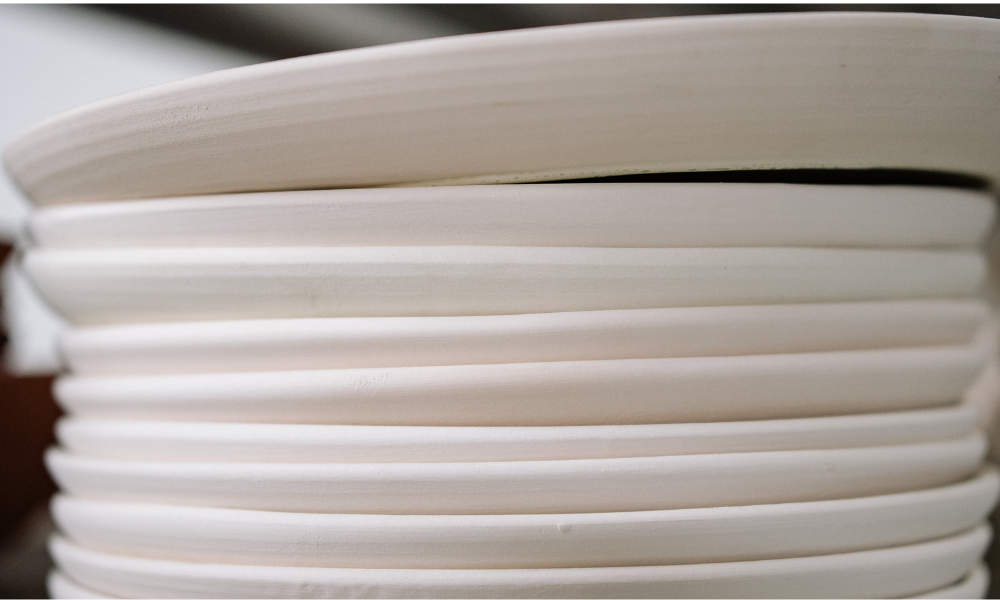
How to Use Ceramic Cookware Properly is an important skill for maintaining its performance and durability. Ceramic cookware has become a popular choice among home cooks who want a naturally slick cooking surface without traditional non-stick coatings. Known for its smooth finish, even heat distribution, and easy cleanup, ceramic cookware can deliver excellent cooking results when used correctly. However, unlike stainless steel or cast iron, ceramic surfaces require gentle handling and proper cooking techniques to maintain their performance over time. This guide explains how to use ceramic cookware properly while protecting its non-stick qualities and extending its lifespan.
Understanding Ceramic Cookware Mechanics
Before using ceramic cookware, it is important to understand the different types available. Pure ceramic cookware is made entirely from natural ceramic materials and is often kiln-fired at high temperatures. Ceramic-coated cookware, on the other hand, consists of a metal core—usually aluminum or stainless steel—covered with a ceramic-based coating. The ceramic surface is non-porous and helps distribute heat evenly across the cooking area. Because the coating is free from many traditional non-stick chemicals, ceramic cookware has become a popular option for health-conscious cooks. Its smooth surface reduces food adhesion while providing reliable cooking performance for everyday meals.
Temperature Management: The Low-to-Medium Heat Rule
One of the most important rules when using ceramic cookware is avoiding excessive heat. Many people assume higher temperatures lead to faster cooking, but ceramic cookware is designed to perform efficiently at low and medium heat settings. The material retains heat well and continues cooking food effectively even after the burner is reduced. Using high heat regularly can damage the ceramic coating, causing it to lose its non-stick properties more quickly. Excessive temperatures may also create stubborn scorch marks and reduce the overall lifespan of the cookware. For most cooking tasks, medium heat is more than sufficient and helps maintain the integrity of the cooking surface.
Oil Selection and Fat Application Guidelines
Although ceramic cookware has natural non-stick characteristics, using a small amount of cooking fat can improve food release and cooking results.
Oils with higher smoke points are generally the best choice. Popular options include:
- Avocado oil
- Canola oil
- Grapeseed oil
- Sunflower oil
- Refined peanut oil
These oils remain stable during cooking and help create a protective barrier between food and the ceramic surface. Aerosol cooking sprays should be avoided whenever possible. Many sprays contain additives that leave behind an invisible residue. Over time, this buildup can become sticky, reduce non-stick performance, and make cleaning more difficult. Using liquid oils applied with a brush or pour spout is typically the better option.
Proper Preheating Without Damaging the Base
Unlike some other cookware materials, ceramic cookware should not be heated while completely empty. Heating a dry ceramic pan can create thermal stress within the coating. Repeated exposure to extreme heat without oil or liquid may contribute to microscopic fractures that gradually weaken the surface. Before turning on the burner, add a small amount of oil, butter, or cooking liquid to the cookware. This helps regulate temperature changes and protects the ceramic coating during the heating process. Allow the pan to warm gradually rather than exposing it to sudden high heat. Gentle preheating promotes more consistent cooking and extends the life of the cookware.
Essential Utensil Safety for Surface Protection
The tools used during cooking have a direct impact on ceramic cookware durability. Silicone utensils are widely considered the safest option because they are soft and flexible. Wooden utensils also work well and are unlikely to scratch the surface. Soft nylon tools provide another safe alternative for daily cooking. Metal spatulas, forks, knives, and sharp-edged utensils should be avoided. While ceramic coatings are durable, repeated contact with hard metal objects can create scratches, chips, and surface wear. Even small imperfections can gradually reduce non-stick effectiveness and make cleaning more difficult. Using gentle utensils helps preserve the coating and maintain smooth cooking performance.
Thermal Shock Prevention and Cooling Cycles
Sudden temperature changes are one of the biggest threats to ceramic cookware. Placing a hot ceramic pan directly into cold water can cause thermal shock. Rapid expansion and contraction place stress on both the coating and the underlying metal base. This may lead to warping, coating separation, or cracking over time. After cooking, allow the cookware to cool naturally on the stovetop or countertop before washing. Waiting until the pan reaches a safe temperature helps protect its structure and preserves its long-term performance. Patience during the cooling process can significantly extend the lifespan of ceramic cookware.
Cooking High-Risk Foods: Eggs, Fish, and Acidic Sauces
Ceramic cookware performs exceptionally well when cooking delicate foods. Eggs, omelets, pancakes, and fish fillets benefit from the smooth cooking surface and gentle heat distribution. For best results, use moderate temperatures and avoid overheating the pan. Fish such as tilapia, salmon, and cod cook particularly well in ceramic cookware because the surface reduces sticking when handled correctly. Another advantage of ceramic cookware is its non-reactive nature. Unlike some metals, ceramic does not react with acidic ingredients.
This makes it ideal for preparing:
- Tomato-based sauces
- Citrus marinades
- Wine reductions
- Vinegar-based dishes
Acidic foods can be cooked confidently without affecting flavor or damaging the cookware.
Gentle Washing and Stain Removal Techniques
Proper cleaning is essential for maintaining ceramic cookware. After the cookware has cooled completely, wash it by hand using warm water, mild dish soap, and a soft sponge or microfiber cloth. Avoid abrasive scrubbers, steel wool, and harsh cleaning chemicals. These products can damage the ceramic coating and reduce its effectiveness. For stubborn grease, discoloration, or food residue, create a gentle cleaning paste using baking soda and water. Apply the paste to affected areas and allow it to sit briefly before wiping clean with a soft sponge. This method helps remove stains without scratching the cooking surface. Regular gentle cleaning keeps ceramic cookware looking attractive and functioning properly.
Smart Storage Protocols to Avoid Chipping
Storage habits play a major role in protecting ceramic cookware from accidental damage. When stacking pots and pans, place felt protectors, soft cloths, or paper towels between each piece. This prevents surfaces from rubbing together and reduces the risk of scratches or chips. If cabinet space allows, store cookware separately rather than nesting multiple pieces together. Hanging storage racks can also be effective, provided the cookware hangs securely without knocking against neighboring items. Protecting rims and cooking surfaces during storage helps preserve the coating and maintain long-term durability.
Conclusion
Learning how to use ceramic cookware properly is the key to maximizing its non-stick performance and extending its lifespan. By cooking with low to medium heat, choosing appropriate oils, avoiding thermal shock, and using gentle utensils, you can protect the ceramic surface from unnecessary wear. Combined with proper cleaning and careful storage, these simple habits help maintain smooth cooking performance and an attractive appearance for years. With the right care, ceramic cookware remains a reliable and versatile addition to any kitchen, making everyday cooking easier, healthier, and more enjoyable.