
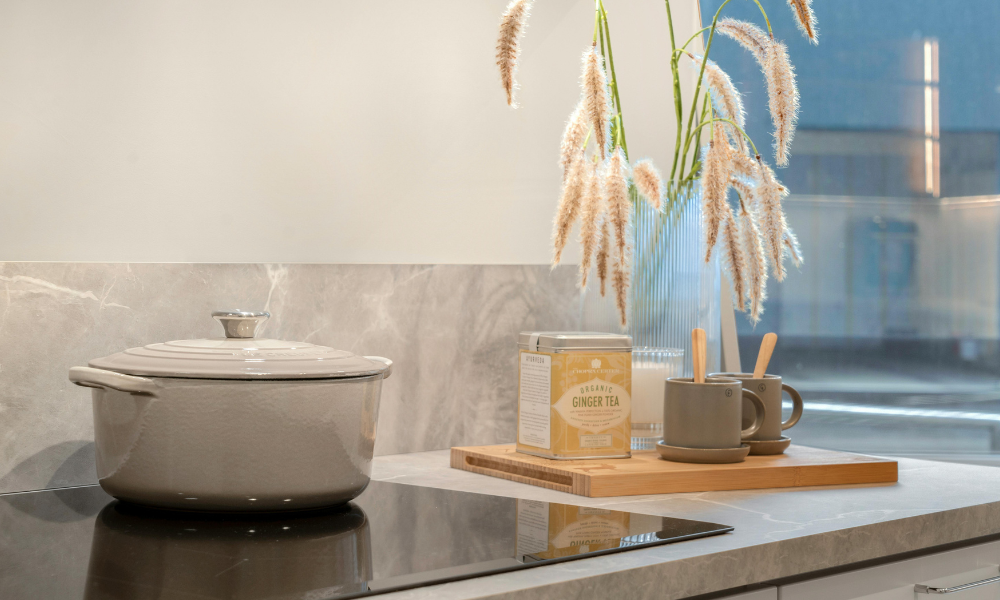
How to Clean and Maintain Aluminum Cookware is essential for keeping your pots and pans looking good and performing well. Aluminum cookware is popular because it is lightweight, affordable, and highly efficient at conducting heat. Whether you own raw aluminum pots, hard-anodized cookware, or non-stick aluminum pans, proper care is essential for preserving performance and extending lifespan. While aluminum is durable for everyday cooking, it can be affected by acidic foods, harsh cleaning products, and improper maintenance. This guide explains how to clean aluminum cookware correctly, remove stains and discoloration, and keep your pots and pans in excellent condition for years.
Understanding Aluminum Properties and Reaction Risks
Aluminum is one of the most efficient heat-conducting metals used in cookware. It heats quickly and distributes heat evenly, helping reduce hot spots during cooking. There are three common types of aluminum cookware:
Raw Aluminum
Raw Clean and Maintain Aluminum Cookware is lightweight and highly conductive but more susceptible to staining, oxidation, and chemical reactions with acidic foods.
Anodized Aluminum
Hard-anodized aluminum undergoes a special electrochemical treatment that creates a tougher, more durable surface. This protective layer improves scratch resistance and reduces reactivity.
Non-Stick Aluminum
Many modern non-stick pans use an aluminum core covered with a protective non-stick coating. These pans combine fast heating with easy food release. Because aluminum is naturally reactive, proper care is important to maintain the surface and performance. When learning how to clean and maintain aluminum cookware, avoid harsh detergents, abrasive scrubbers, acidic cleaners, and extreme temperature changes, as these can damage the coating or affect the cookware’s appearance over time.
Immediate Post-Cooking Care and Thermal Shock Prevention
One of the most important rules for aluminum cookware care is avoiding sudden temperature changes. After cooking, resist the temptation to place a hot pan directly under cold running water. Aluminum expands when heated and contracts when cooled. Rapid cooling can cause warping, particularly in thinner cookware. Instead, allow the cookware to cool naturally for several minutes. If food residue remains, fill the pan with warm water and add a few drops of mild dish soap. Let it soak while cooling. This simple step softens baked-on food and makes cleaning easier without aggressive scrubbing. Preventing thermal shock helps maintain a flat cooking surface and prolongs cookware life.
Gentle Daily Cleaning Protocol
Regular cleaning is the foundation of proper aluminum cookware maintenance.
For daily cleaning, use:
- Soft microfiber cloths
- Non-abrasive sponges
- Soft nylon scrubbers
- Mild dish soap
- Warm water
These materials effectively remove food residue while protecting the cookware surface.
Avoid using:
- Steel wool
- Metal scouring pads
- Abrasive powders
- Harsh industrial cleaners
These products can scratch aluminum, remove protective finishes, and accelerate wear. After washing, rinse thoroughly to remove soap residue and dry immediately with a soft towel. Prompt drying helps prevent water spots and mineral buildup.
Reversing Aluminum Oxidation and Dark Discoloration
Over time, aluminum cookware may develop dark patches, dull areas, or discoloration. This occurs because aluminum reacts naturally with oxygen and minerals found in water. While oxidation is normal, it can affect the cookware’s appearance. Fortunately, several household ingredients can help restore brightness.
White Vinegar Solution
Mix equal parts water and white vinegar. Apply the solution to affected areas and allow it to sit briefly before rinsing.
Lemon Juice Treatment
Fresh lemon juice contains natural acids that help dissolve oxidation and brighten aluminum surfaces.
Cream of Tartar Method
Combine cream of tartar with water to create a gentle cleaning solution that removes discoloration without damaging the metal. These methods help restore shine while avoiding abrasive cleaning techniques.
Removing Tough Burned-On Food and Heavy Grease
Occasionally, aluminum cookware develops stubborn carbonized residue from overheating or extended cooking sessions. Rather than scrubbing aggressively, use heat-assisted cleaning methods.
Simmer Method
Fill the cookware with water and add either:
- A few lemon slices
- One tablespoon of cream of tartar per quart of water
Bring the mixture to a gentle simmer for several minutes. The heat loosens burnt residue while the acidic ingredients help break down stubborn deposits. Allow the cookware to cool before washing normally.
Baking Soda Paste
For targeted stain removal, mix baking soda with a small amount of water to create a thick paste. Apply the paste to affected areas and gently rub with a soft sponge. This approach removes grease and food residue without scratching the aluminum surface.
Special Care Instructions for Anodized Aluminum
Hard-anodized cookware requires slightly different maintenance practices. The anodization process creates a durable outer layer that improves scratch resistance and corrosion protection. However, this protective coating can still be damaged by harsh chemicals.
When cleaning anodized aluminum:
- Use mild dish soap only
- Avoid strong alkaline cleaners
- Skip abrasive scrubbing pads
- Wash by hand whenever possible
Strong alkaline products can gradually erode the protective anodized layer, reducing durability and affecting appearance. With proper care, hard-anodized cookware can remain attractive and functional for many years.
Cleaning Non-Stick Coated Aluminum Pans
Non-stick aluminum cookware combines lightweight construction with easy food release, but it requires extra attention during cleaning. Always use soft sponges and non-abrasive cloths when cleaning the interior surface.
For grease buildup:
- Fill the pan with warm water.
- Add a small amount of mild dish soap.
- Allow it to soak briefly.
- Wipe clean using a soft sponge.
Avoid metal utensils and aggressive scrubbing techniques that can create microscopic scratches in the coating. The exterior aluminum portion may require occasional cleaning to remove discoloration and cooking residue, but care should be taken not to damage the non-stick interior.
Why Dishwashers Destroy Aluminum Cookware
Although dishwashers offer convenience, they are one of the biggest threats to aluminum cookware. Dishwasher detergents contain highly alkaline chemicals designed to remove grease aggressively. These chemicals react with aluminum and often cause:
- Gray discoloration
- Chalky residue
- Surface oxidation
- Pitting damage
- Loss of shine
High drying temperatures can further accelerate deterioration. If aluminum cookware has accidentally been washed in a dishwasher, mild acidic treatments using vinegar or lemon juice may help reduce discoloration. However, severe oxidation damage is often difficult to reverse completely. For maximum lifespan, hand washing remains the preferred cleaning method.
Polishing and Maintaining Exterior Metal Luster
Over time, exterior aluminum surfaces may lose some of their original shine. Natural polishing methods can help restore brightness without damaging the metal.
Citrus Polish
Cut a lemon in half and gently rub it across dull aluminum surfaces. The natural citric acid helps dissolve oxidation while enhancing shine.
Vinegar Polish
A soft cloth dampened with vinegar can help remove fingerprints, water spots, and surface discoloration. After polishing, rinse thoroughly and dry immediately with a microfiber towel. Proper drying prevents new water spots and helps maintain a clean appearance.
Long-Term Maintenance and Preventative Care Habits
Routine maintenance is essential for extending the lifespan of aluminum cookware.
Periodically inspect cookware for:
- Warped bases
- Loose handles
- Deep scratches
- Surface damage
- Uneven cooking performance
Addressing small problems early can prevent more significant issues later.
Safe Stacking Practices
Because aluminum is softer than many cookware materials, improper stacking can cause dents and scratches.
When storing cookware:
- Place felt protectors between pans
- Use soft towels as separators
- Avoid stacking heavy cookware directly on top
- Store in dry areas with good airflow
These simple habits protect rims, cooking surfaces, and exterior finishes.
Conclusion
Knowing how to clean and maintain aluminum cookware properly can dramatically extend its lifespan and preserve cooking performance. By avoiding thermal shock, using gentle cleaning methods, preventing oxidation, and storing cookware carefully, you can keep aluminum pots and pans in excellent condition for years. Whether you own raw aluminum cookware, hard-anodized pans, or non-stick aluminum pieces, consistent maintenance helps prevent discoloration, warping, scratches, and corrosion. With proper care, aluminum cookware remains a reliable, efficient, and valuable part of any kitchen while continuing to deliver fast, even heating and dependable cooking results.