
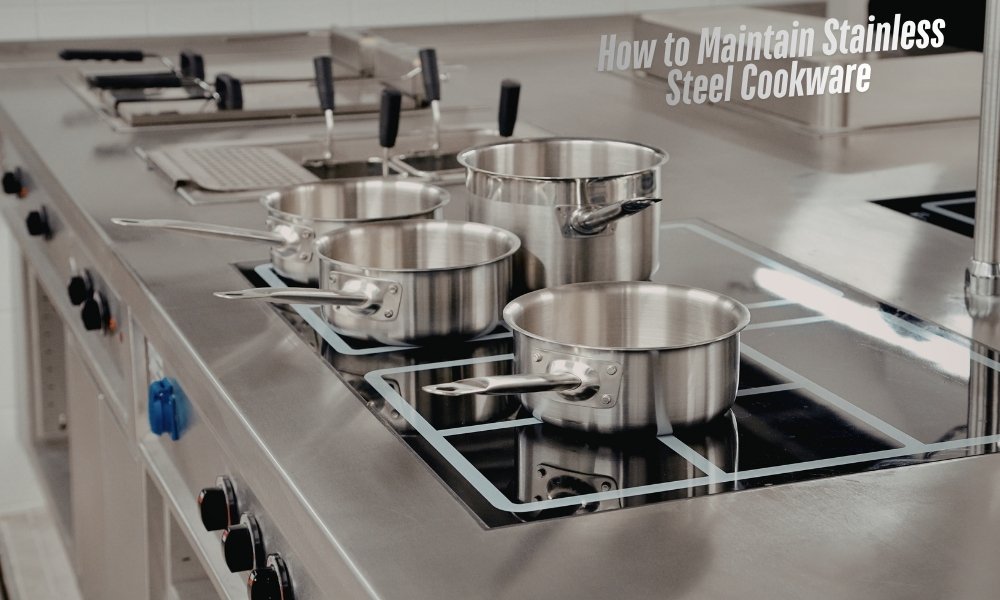
Stainless steel cookware is one of the most popular choices in modern kitchens. It is durable, versatile, resistant to rust, and capable of delivering excellent cooking results. Whether you own Inox pots, pans, or cooking utensils, proper care and maintenance can significantly extend their lifespan and keep them looking brand new for years. Many people believe Inox cookware is completely maintenance-free. While it is highly durable, it still requires regular cleaning and proper handling to preserve its appearance and performance. This guide will help you understand the best practices for maintaining Durable Kitchen equipment .
Why Choose Stainless Steel Cookware?
Before discussing maintenance, it is important to understand why Food-grade cookware is so widely used. Inox is resistant to corrosion, does not react with acidic foods, and provides excellent durability. Unlike some other cookware materials, it does not easily chip, crack, or peel. High-quality Premium steelKitchenware can last for decades when properly cared for. Additionally, Durable Kitchen equipment distributes heat efficiently, especially when combined with aluminum or copper cores, making it suitable for everyday cooking.
Clean Before First Use
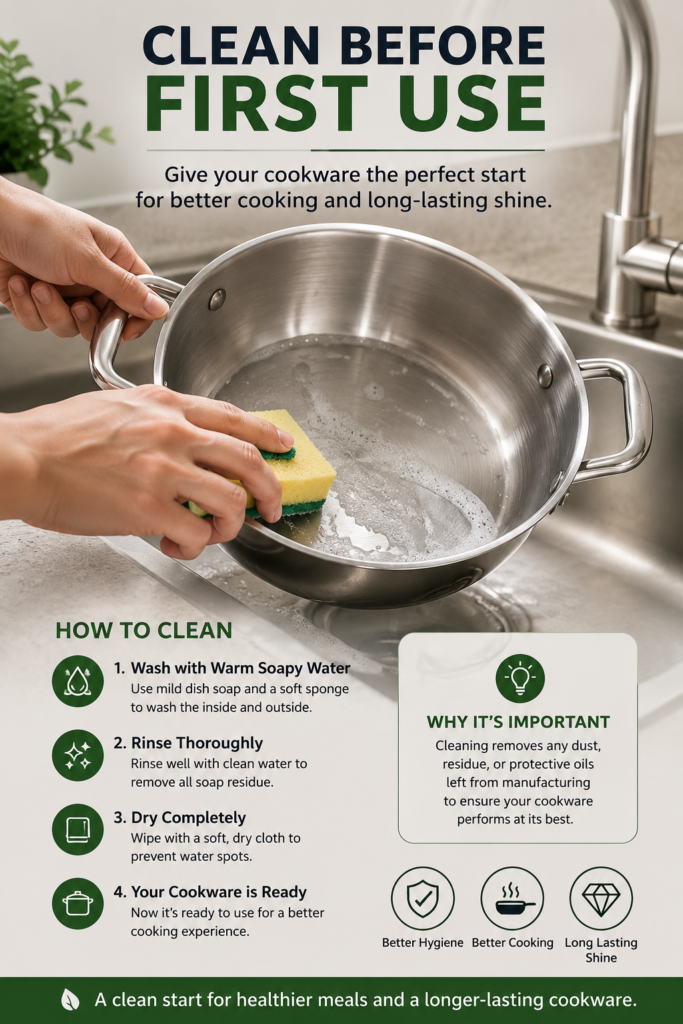
When you purchase new Rust-resistant cookware, always wash it before using it for the first time. Manufacturers may leave behind polishing compounds, dust, or packaging residue. Use warm water, mild dish soap, and a soft sponge to clean the cookware thoroughly. Rinse well and dry completely before cooking.
Avoid Overheating
One of the most common mistakes people make is overheating Heavy-duty Kitchen equipment . Excessive heat can cause discoloration, rainbow-colored stains, and food sticking. Durable performs best at medium or medium-high heat settings. Because it retains heat efficiently, there is usually no need to cook on maximum heat. Preheat the pan gradually rather than exposing it to sudden high temperatures. Using moderate heat not only protects the cookware but also improves cooking results.
Use the Right Cooking Oils
Proper use of cooking oils can help prevent food from sticking. Before adding food, preheat the pan for a short time. Then add a small amount of cooking oil and allow it to heat before placing food in the pan. This creates a temporary non-stick effect that makes cooking easier and simplifies cleanup. Avoid repeatedly burning oils, as this can create stubborn residue that is difficult to remove.
Clean After Every Use
Regular cleaning is essential for maintaining Rust-resistant cookware. After cooking, allow the Kitchen tools to cool before washing. Sudden temperature changes may cause warping over time. Wash theFood preparation equipment using warm water, mild dish soap, and a non-abrasive sponge. Avoid leaving food residue on the surface for extended periods. Dried food particles can become difficult to remove and may affect the appearance of the cookware. Once cleaned, rinse thoroughly and dry immediately with a soft cloth to prevent water spots.
Remove Burnt Food Properly
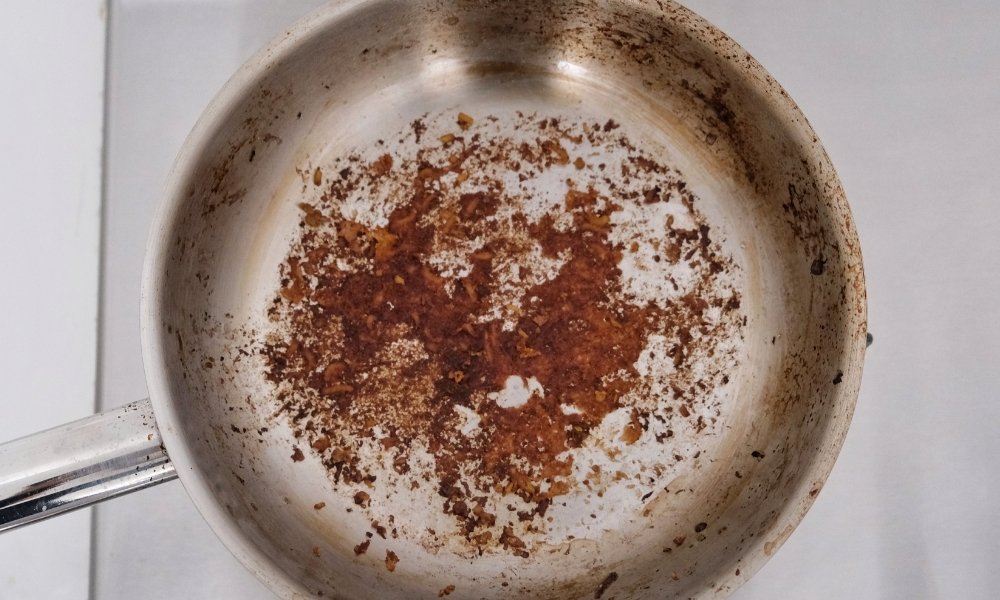
Burnt food can sometimes stick toHigh-grade surfaces. Instead of using excessive force or metal scrubbing pads, try a gentler approach. Fill the cookware with warm water and add a small amount of dish soap. Let it soak for 15–30 minutes. For tougher stains, simmer water in the pan for a few minutes to loosen the residue. After soaking, use a soft sponge or nylon scrubber to remove the remaining particles. This method protects the surface while effectively removing stubborn food residue.
Deal with Water Spots and Stains
Water spots are common, especially in areas with hard water. These spots do not damage the cookware but can make it look dull. To remove water spots, wipe the surface with a mixture of equal parts white vinegar and water. Rinse thoroughly and dry immediately. Vinegar is highly effective at restoring the shiny appearance of Polished cookware without causing damage.
Remove Rainbow Discoloration
Blue, purple, or rainbow-colored stains sometimes appear when Corrosion-resistant is exposed to excessive heat. These marks are harmless but may affect the cookware’s appearance. Fortunately, they are easy to remove. Apply a small amount of white vinegar to a soft cloth and gently rub the affected area. Commercial Inox cleaners can also help restore the original shine. Regular cleaning and avoiding extreme heat can prevent these discolorations from recurring.
Avoid Harsh Cleaning Tools
Many people mistakenly use steel wool or abrasive cleaning pads on Inox cookware. Although Inox is durable, harsh scrubbing tools can create scratches that dull the surface over time. Instead, use soft sponges, microfiber cloths, or nylon scrubbers designed for Food preparation equipment. Protecting the surface helps maintain both the appearance and performance of your Kitchen tools .
Be Careful with Salt
Adding salt to cold water can sometimes cause small white spots or pitting on Durable surfaces. To avoid this issue, wait until water reaches a boil before adding salt. Stir until the salt completely dissolves. This simple habit helps preserve the smooth finish of your cookware and reduces the risk of surface damage.
Store Cookware Properly
Proper storage is another important aspect of maintenance. When stacking pots and pans, place a soft cloth, paper towel, or pan protector between them. This helps prevent scratches caused by metal-to-metal contact. Store cookware in a clean, dry location to avoid moisture buildup and maintain its polished appearance.
Polish Occasionally
Although not always necessary, occasional polishing can keep stainless steel Kitchen essentials looking like new. Special Inox cleaners and polishes are available for removing fingerprints, restoring shine, and eliminating minor stains. Follow the manufacturer’s instructions when using these products. Regular polishing can enhance the appearance of your cookware and help it maintain its professional look.
Common Mistakes to Avoid
To maximize the lifespan of your Food-grade cookware, avoid these common mistakes:
- Using extremely high heat regularly.
- Cleaning hot Kitchen essentials with cold water.
- Using steel wool or abrasive cleaners.
- Leaving food residue for long periods.
- Storing Kitchen tools while still wet.
- Adding salt to cold water.
- Burning oil repeatedly in the pan.
Avoiding these habits can significantly extend the life of yourKitchen products.
Conclusion
Stainless steel cookware is an excellent investment for any kitchen. Its durability, versatility, and professional cooking performance make it a favorite among home cooks and chefs alike. With proper maintenance, Premium pots and pans can remain functional and attractive for many years.