
Maintain Stainless Steel Cookware is essential for preserving its durability, appearance, and cooking performance. Stainless steel cookware is one of the most durable and versatile options available for home kitchens. With proper care, a high-quality stainless steel pan or pot can last for decades while maintaining its appearance and cooking performance. However, longevity depends on more than simply washing cookware after use. Understanding the right cleaning, cooking, and storage practices can help prevent damage and keep your cookware looking and performing like new for years.
1 .The Fundamentals of Stainless Steel Longevity
Understanding maintain stainless steel cookware starts with choosing quality materials and using proper care. Premium cookware often features 18/10 stainless steel, which offers excellent corrosion resistance, durability, and shine. In comparison, 18/0 stainless steel contains no nickel and may be more prone to staining and discoloration. Construction also matters. Multi-ply cookware, made with layers of stainless steel and aluminum or copper, distributes heat evenly and helps reduce warping. Along with quality cookware, simple habits such as avoiding extreme temperature changes, cleaning promptly, and using suitable utensils can significantly extend its lifespan.
2 .Daily Cleaning Protocols After Every Use
An essential part of maintain stainless steel cookware is proper cleaning after every use. Start by avoiding thermal shock. Pouring cold water into a hot pan can cause rapid contraction and increase the risk of warping over time. Instead, allow the cookware to cool naturally for a few minutes before washing. Then, clean it with warm water, mild dish soap, and a soft sponge. Although some stainless steel cookware is dishwasher-safe, frequent dishwasher use may dull the finish because of strong detergents and high heat. Hand washing is often the safer choice for preserving appearance and performance. Finally, dry the cookware immediately to prevent water spots and mineral deposits.
3 .Tackling Tough Stains and Burned-On Food
Burned food residue is a common issue, but aggressive scrubbing is not always necessary. For stubborn debris, fill the cookware with hot water and add a small amount of dish soap. Allow it to soak for 15 to 30 minutes. The softened residue will often loosen enough to be removed with a non-abrasive sponge. For tougher stains, create a paste using baking soda and water. Apply the paste to affected areas and gently rub in circular motions. Baking soda provides mild cleaning power without damaging the stainless steel surface. A vinegar rinse can also help dissolve residue while restoring brightness to the cookware.
4 .Eliminating Rainbow Discoloration and Mineral Deposits
Many stainless steel cookware owners notice rainbow-colored streaks appearing after cooking. This phenomenon, often called heat tint, occurs when chromium in the steel reacts with high temperatures. While harmless, it can affect the cookware’s appearance. Hard water can also leave behind white mineral deposits and cloudy spots. Fortunately, both issues are easy to correct. Simply apply white vinegar or fresh lemon juice to the affected area and let it sit for a few minutes before wiping clean. The mild acidity dissolves mineral buildup and restores the original finish. Regular cleaning with acidic solutions can help keep stainless steel cookware looking polished and bright.
5 .Proper Preheating to Prevent Sticking and Scratches
One of the biggest mistakes people make with stainless steel cookware is adding food before the pan reaches the correct temperature. A properly preheated pan reduces sticking and improves cooking performance. To test readiness, sprinkle a few drops of water onto the cooking surface. When the droplets form small beads that glide across the pan like mercury, the temperature is ideal for cooking. After the water evaporates, add cooking oil and allow it to heat briefly before adding food. Using appropriate utensils also protects the cooking surface. Wooden, silicone, and soft nylon utensils minimize unnecessary wear and help preserve the cookware’s appearance. While stainless steel is highly durable, avoiding sharp or aggressive tools can reduce visible scratches over time.
6 .Avoiding Chemical and Structural Damage
Certain practices can permanently damage stainless steel cookware. One common issue is pitting corrosion, which appears as tiny holes in the cooking surface. This often occurs when salt is added directly to cold water and allowed to sit on the metal. To prevent this problem, wait until water reaches a boil before adding salt. Harsh cleaning products should also be avoided. Bleach, chlorine-based cleaners, steel wool, and abrasive scouring pads can damage protective surface layers and leave scratches. Using gentle cleaning methods preserves the cookware’s integrity and extends its lifespan.
7 .Restoring Shine with Specialty Cleaners
Even well-maintained cookware can lose some of its shine over time. Specialty stainless steel cleaners containing oxalic acid are effective for removing stubborn stains, discoloration, and oxidation. These products help restore the cookware’s original appearance without excessive scrubbing. When using specialty cleaners, follow manufacturer instructions carefully and rinse thoroughly afterward. For routine polishing, a microfiber cloth can help maintain a mirror-like finish or enhance the satin appearance of brushed stainless steel surfaces.
8 .Restoring a Pan After Heavy Cooking Accidents
Occasionally, food may become severely burned onto the cookware surface. Before reaching for abrasive tools, try deglazing. Add a small amount of water to the pan and heat it gently while scraping loosened residue with a wooden spoon. This process often removes carbonized food effectively. For more stubborn scorch marks, fill the cookware with water and add several tablespoons of baking soda. Bring the mixture to a gentle boil for several minutes. As the solution simmers, burnt layers begin to loosen and lift away from the metal. After cooling, clean the cookware normally.
9 .Smart Storage Strategies to Prevent Damage
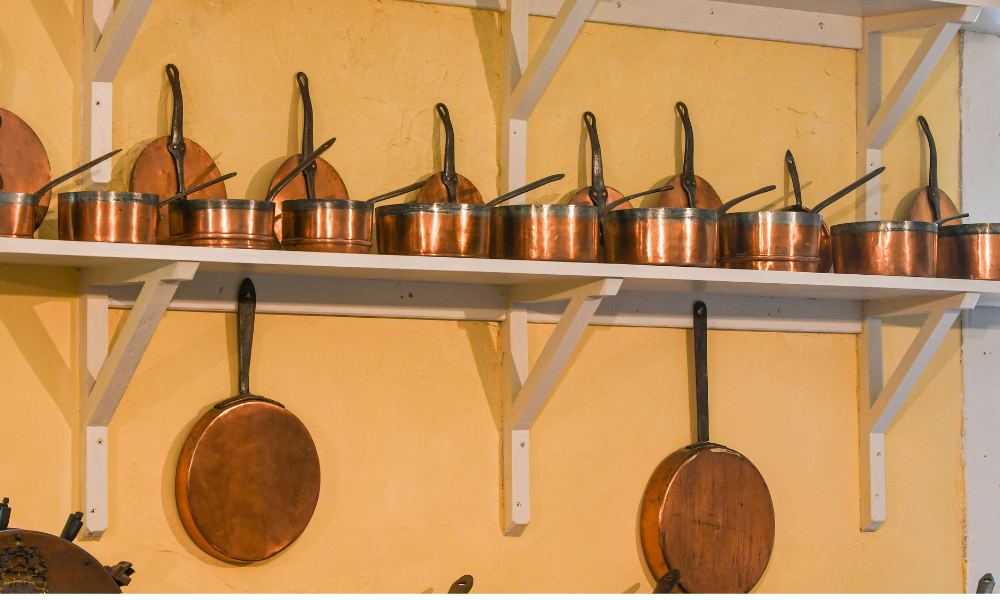
Proper storage plays an important role in maintaining stainless steel cookware. When stacking pots and pans, place felt protectors, soft towels, or cloth liners between pieces. This prevents scratches and reduces wear on polished surfaces. Hanging racks provide excellent protection while keeping cookware accessible. However, heavy multi-ply cookware requires strong support systems capable of handling the additional weight. Whether stored in cabinets or on racks, keeping cookware dry and protected helps preserve its finish.
10 .Routine Inspection and Preventative Care
Regular inspection helps identify minor issues before they become serious problems. Check rivets periodically to ensure they remain secure. Examine handles for looseness and inspect the base of the cookware for signs of warping or unevenness. Minor cosmetic issues such as stains, dullness, or discoloration can often be corrected with deep cleaning and polishing. Structural damage, including severe warping or loose handles that cannot be repaired, may indicate the need for replacement.
What causes white spots or tiny pits on stainless steel cookware?
White spots are usually caused by minerals left behind when water evaporates, especially in areas with hard water. These marks are harmless and can often be removed by wiping the surface with white vinegar or lemon juice. Tiny pits, however, are a different issue. They typically develop when salt is added to cool or lukewarm water and settles on the bottom of the pan before dissolving. Over time, this can damage the protective surface layer of the stainless steel. While pitting cannot be reversed, it generally does not affect the cookware’s safety, durability, or cooking performance.
Conclusion
Knowing how to maintain stainless steel cookware is essential for maximizing its lifespan and performance. Consistent cleaning, proper preheating, safe storage, and preventative maintenance can keep cookware in excellent condition for years. By following these simple care techniques, you can prevent common problems such as staining, sticking, discoloration, and warping while preserving the beauty and functionality of your cookware. A little routine maintenance goes a long way toward ensuring that your stainless steel cookware remains a reliable part of your kitchen for decades.