
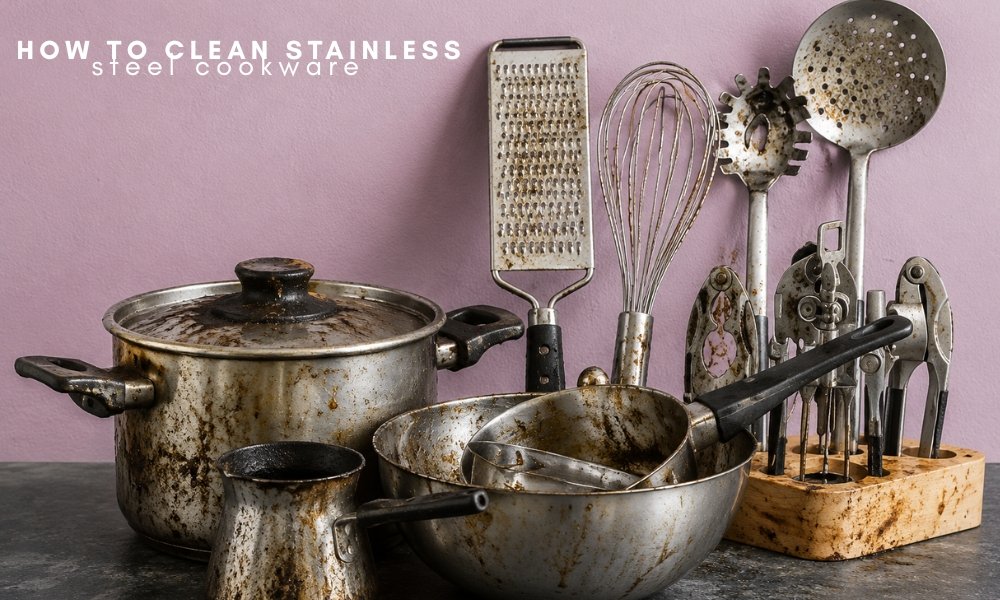
Stainless steel cookware is prized for its durability, attractive appearance, and excellent cooking performance. However, proper cleaning techniques are essential to keep it looking polished and functioning at its best. From removing burnt food to eliminating water spots and discoloration, understanding the right cleaning methods can help extend the life of your cookware and maintain its professional appearance.
Thermal Shock Prevention and Pre-Wash Preparation
Before you clean stainless steel cookware, it is important to avoid sudden temperature changes. Placing a very hot pan directly under cold water can cause the metal to contract rapidly, increasing the risk of warping over time. After cooking, allow the cookware to cool naturally on the stovetop or countertop. Once it reaches a comfortable temperature, begin the cleaning process. This simple habit helps preserve the cookware’s structure and supports long-term performance.
Routine Daily Hand-Washing Protocol
For everyday cleaning, hand-washing is often the safest method. Use warm water, mild dish soap, and a soft sponge or microfiber cloth to remove food residue and grease. Avoid abrasive tools such as steel wool, metal scouring pads, or rough scrubbers. While stainless steel is durable, these materials can create fine scratches that gradually dull the surface and affect its appearance. After washing, rinse thoroughly to remove soap residue and prepare the cookware for drying.
Dissolving Heat Tint and Rainbow Discoloration
Rainbow-colored stains, often called heat tint, are common on stainless steel cookware exposed to high temperatures. These colorful marks occur when the protective oxide layer on the steel thickens due to heat. Fortunately, they are easy to remove. Apply a small amount of white vinegar or fresh lemon juice to a soft cloth and wipe the affected area. The mild acidity helps dissolve the discoloration and restores the cookware’s natural silver shine. This quick treatment can bring back a polished appearance without the need for aggressive scrubbing.
Removing White Mineral Deposits and Water Spots
Hard water can leave behind white or cloudy mineral deposits on stainless steel cookware, especially after boiling water. These spots are usually caused by calcium and other minerals left behind as water evaporates. To remove them, fill the cookware with a mixture of water and a small amount of white vinegar. Let it sit for several minutes before rinsing and drying. The acidic solution helps dissolve mineral buildup, leaving the surface cleaner and brighter.
Lifting Burnt-On Food and Carbonized Grease
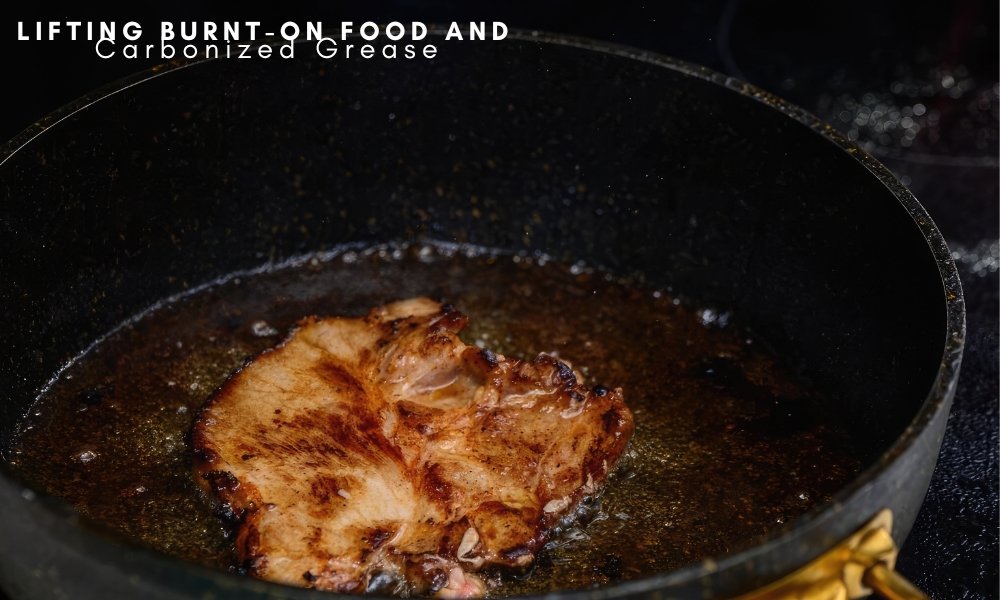
Burnt food and stubborn grease can sometimes cling to stainless steel surfaces. Instead of scrubbing aggressively, use a gentler approach. Fill the cookware with water, add a few tablespoons of baking soda, and bring the mixture to a gentle simmer. As the solution heats, burnt residue begins to loosen from the surface. For particularly stubborn stains, a stainless steel cleaner containing oxalic acid can help remove baked-on grease and restore shine. Always follow the product instructions carefully and rinse thoroughly after use.
Dishwasher Safety vs. Hand-Washing
Many stainless steel cookware brands are labeled dishwasher-safe, but frequent dishwasher use may affect appearance over time.High-temperature drying cycles and strong detergents can gradually dull polished finishes and contribute to water spotting. Hand-washing remains the preferred option for preserving the cookware’s original shine. If you choose to use a dishwasher, position cookware securely to prevent handles, rims, and cooking surfaces from knocking against other items during the cycle.
Drying, Polishing, and Storage Protocols
Proper drying is just as important as washing. After rinsing, dry cookware immediately with a soft towel to prevent water spots and mineral marks. For extra shine, buff the surface with a clean microfiber cloth. This simple step helps maintain the polished appearance of stainless steel. When storing cookware, place felt protectors, soft towels, or pan dividers between stacked pieces. These protective layers help prevent scratches and preserve the finish on rims and cooking surfaces.
Conclusion
Knowing how to clean stainless steel cookware correctly helps maintain both its appearance and performance. By allowing pans to cool naturally, using gentle cleaning tools, removing stains with simple household ingredients, and drying cookware immediately after washing, you can keep stainless steel looking its best. With consistent care and proper storage, quality stainless steel cookware can remain a reliable and attractive part of your kitchen for many years.