
A homemade water filtration system can help reduce sediment, dirt, odors, and certain impurities using simple materials. While it can improve water clarity and taste, it should not be considered a complete replacement for certified drinking water treatment systems. Understanding how each filtration layer works is essential for creating an effective setup.
Designing the Multi-Stage Filtration Chamber
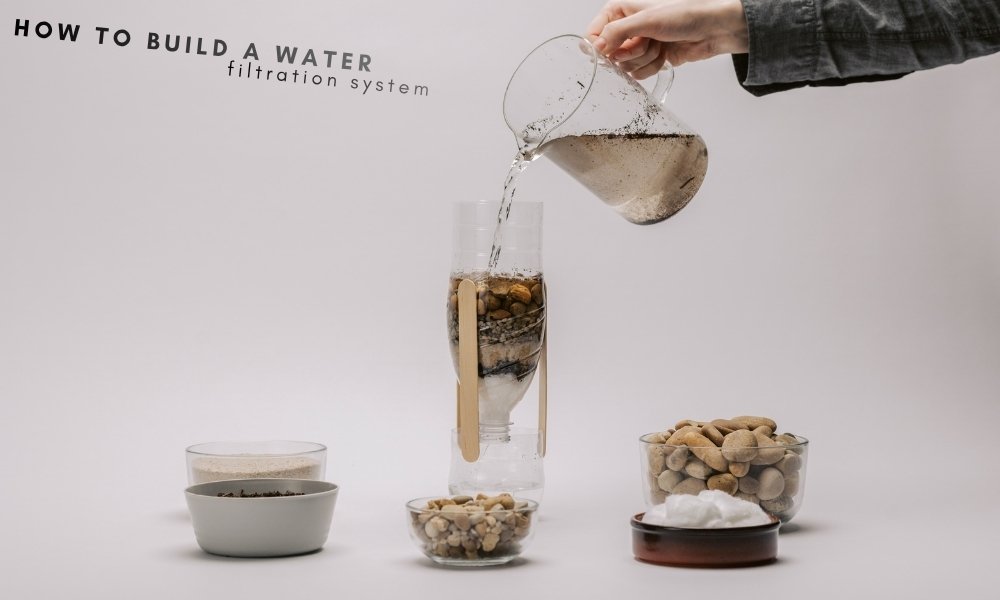
Start with a food-safe container such as a large bucket, PVC tube, or glass vessel. Install a secure outlet near the bottom to allow filtered water to drain. Inside the container, arrange filtration materials in layers. A common configuration includes:
- Coarse gravel
- Fine gravel
- Coarse sand
- Fine sand
- Activated charcoal
Each layer captures different sizes of particles, helping improve water quality as it passes through the filter.
How the Filter Media Works
The gravel layers provide structural support and prevent finer materials from clogging the outlet. Sand acts as a mechanical filter, trapping dirt, sediment, and suspended particles. Activated charcoal serves a different purpose. It helps reduce odors, improve taste, and absorb some chemical contaminants such as chlorine and organic compounds. Together, these layers create a basic multi-stage filtration process that improves water appearance and quality.
Assembly, Sealing, and Flow Control
When assembling the system, ensure all connections are secure and leak-free. Food-safe silicone sealant can be used around fittings and outlet connections if necessary. Water should flow slowly through the filter. A slower flow rate increases contact time with the activated carbon, improving filtration efficiency. If water moves too quickly, the filter may not perform as effectively.
Flushing, Testing, and Maintenance
Before first use, flush the filter several times with clean water. This removes loose charcoal dust and fine sand particles that may cloud the water initially. Regular maintenance is important. Replace activated charcoal periodically and clean or replace sand layers if they become clogged.
Can a homemade DIY water filtration system make river or lake water safe to drink?
Not by itself. A DIY filter can remove sediment, improve clarity, and reduce some odors, but it does not reliably eliminate harmful microorganisms such as bacteria, viruses, or parasites. If filtering untreated surface water, follow filtration with boiling, chemical disinfection, or UV treatment before drinking.
Conclusion
A DIY water filtration system is a practical way to improve water clarity and reduce visible impurities using gravel, sand, and activated charcoal. These simple materials create an effective gravity-fed filter for emergency preparedness, outdoor activities, and educational projects. For safe drinking water, however, always combine physical filtration with an approved disinfection method to address microbial contamination.