
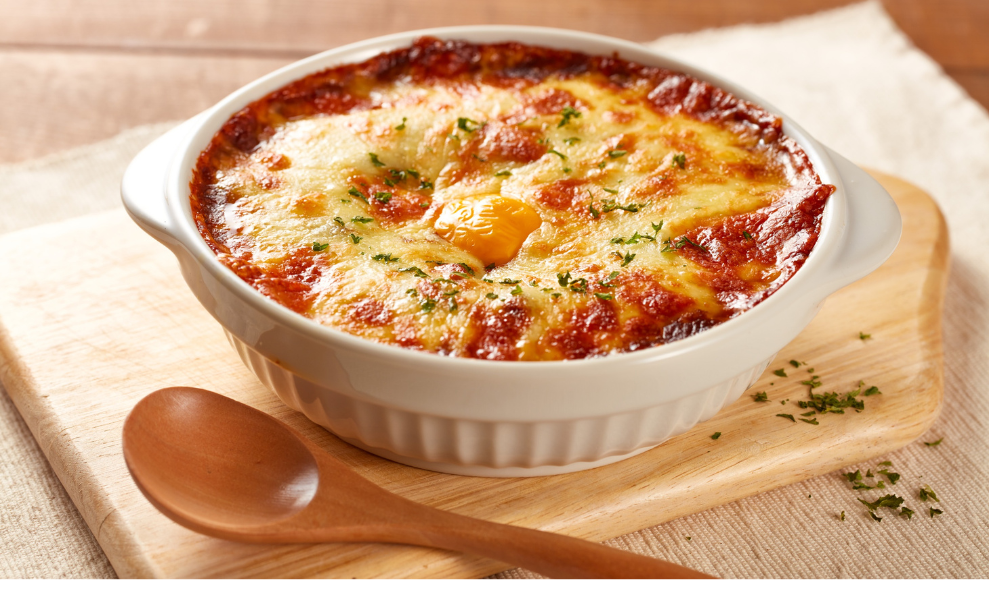
Learning how to store bakeware properly can help you save kitchen space, prevent damage, and keep your baking essentials easy to find. However, baking sheets, cake pans, muffin tins, casserole dishes, and specialty molds can quickly create clutter when you store them without a plan. Fortunately, an efficient storage system can make your kitchen more organized and your baking routine more convenient. In addition, proper organization helps you find the right bakeware more quickly. As a result, you can enjoy a smoother and more efficient baking experience. For example, you can use vertical dividers, cabinet organizers, stacking solutions, and adjustable shelves to make better use of available space. Moreover, separating delicate or non-stick pieces can help prevent scratches and surface damage. Meanwhile, whether you have a small kitchen or a large bakeware collection, choosing the right storage method can protect your equipment and improve accessibility.
Vertical Storing Solutions for Maximum Accessibility
One of the most effective ways to organize bakeware is by storing it vertically instead of stacking everything in large piles. Vertical storage allows each item to stand on its edge, making it easy to grab a single pan without moving several others first. Cabinet organizers with built-in dividers work well for baking sheets, cooling racks, cutting boards, and muffin pans. Tension rods can also create individual storage slots inside cabinets.
Benefits of vertical storage include:
- Easier access to individual items
- Reduced scratching between pans
- Better visibility of stored bakeware
- More efficient use of cabinet space
This approach is especially useful in smaller kitchens where storage space is limited.
Protecting Non-Stick, Silicone, and Glass Finishes
Many bakeware materials require extra protection during storage. Non-stick coatings can become scratched, glass dishes can chip, and silicone molds may lose shape if compressed under heavy cookware.
When stacking bakeware, place protective materials between each piece, such as:
- Felt pan protectors
- Silicone mats
- Microfiber cloths
- Soft kitchen towels
- Paper towels
These barriers reduce friction and help preserve delicate surfaces.
Glass casserole dishes benefit particularly from padded storage because the rims are often the most vulnerable part of the dish. Protecting these edges can help prevent accidental chips and cracks.
Deep Cabinet and Drawer Organization Systems
Fortunately, deep cabinets and pull-out drawers can become highly efficient bakeware storage zones when organized properly. In addition, these spaces can hold larger baking tools while keeping them easy to access .Many homeowners use adjustable peg systems inside deep drawers to create customized compartments for baking dishes and pans. These systems prevent items from sliding around and allow quick access to frequently used pieces.
Tall cabinets can be upgraded with vertical tray dividers that transform unused vertical space into practical storage. This makes it easier to store:
- Cookie sheets
- Roasting pans
- Pizza pans
- Cooling racks
- Large baking trays
Organized cabinet systems help maximize every inch of available storage while reducing clutter.
Environmental Considerations: Humidity and Heat Control
Where you store bakeware is just as important as how you store it. Choose cool, dry storage areas away from excessive moisture and direct heat sources. Cabinets located directly beside ovens, dishwashers, or stovetops may experience increased humidity and temperature fluctuations.
Excess moisture can contribute to problems such as:
- Rust on carbon steel bakeware
- Mineral buildup
- Odors in silicone molds
- Premature wear on certain finishes
How to Store Bakeware properly includes choosing a dry and well-ventilated area. Additionally, proper ventilation and dry conditions help preserve the quality of all bakeware materials, including metal, silicone, ceramic, and glass. As a result, keeping bakeware in a dry, well-ventilated area can help prevent moisture-related damage and maintain its condition.
Categorized Grouping and Size Management
Organizing bakeware by category can save time and simplify meal preparation.
Consider grouping items according to:
Material Type
- Aluminum baking sheets
- Stainless steel pans
- Glass baking dishes
- Silicone molds
- Ceramic bakeware
Frequency of Use
Store frequently used items at eye level or waist level for quick access. Seasonal or specialty pieces can be placed on higher shelves or in less accessible cabinets.
Size and Function
How to Store Bakeware efficiently starts with grouping similar-sized pans together. This approach helps prevent overcrowding and makes storage more efficient. In addition, a categorized system reduces searching time and helps maintain an organized kitchen year-round. As a result, you can find the right bakeware more quickly and keep your storage space tidy.
What is the best way to store large baking sheets and muffin pans in small kitchens?
Vertical storage is usually the most efficient solution. Using a rack organizer or cabinet dividers allows baking sheets and muffin pans to stand upright rather than being stacked flat. This method saves space, protects surfaces from scratches, and makes it easier to remove one item without disturbing the rest of the collection.
Conclusion
Ultimately, proper bakeware storage helps protect your investment while creating a more functional kitchen. In addition, an organized storage system makes baking tools easier to find and use. As a result, you can keep your kitchen tidy while making your baking routine more efficient. Using vertical organizers, protective dividers, and well-planned cabinet systems can prevent scratches, chips, and unnecessary wear. Storing bakeware in a cool, dry environment and grouping items by type and frequency of use further improves organization. With a thoughtful storage strategy, your baking sheets, pans, molds, and dishes will remain in excellent condition and ready for every baking project.